
Injection Mold-Making Process: A Complete Overview
The injection mold-making process is a crucial step in manufacturing plastic parts with precise dimensions and high repeatability. It involves designing and creating molds that will shape heated plastic into the desired form. Understanding this process can help businesses in a variety of industries produce components efficiently. In this article, we will explore the key steps involved in injection mold-making, including CNC machining services and mold design considerations.
What is Injection Mold-Making?
Injection mold-making involves creating a mold used in injection molding. Manufacturers typically construct this mold from steel or aluminum to shape molten plastic into intricate objects. The mold consists of two halves: the cavity side and the core side. When manufacturers inject molten plastic into the mold cavity, it takes the shape of the mold and cools to form the final product.
Key Steps in the Injection Mold-Making Process
The injection mold-making process involves several important stages, each of which ensures that the mold is precise, durable, and capable of producing high-quality parts.
1. Mold Design
The first step in the injection mold-making process is mold design. Engineers use specialized software such as CAD (Computer-Aided Design) to create a detailed blueprint of the mold. The design process is critical because it determines the functionality, durability, and production efficiency of the final mold.
- Mold designers must consider factors like part geometry, material flow, cooling channels, and ejection mechanisms.
- Proper mold design ensures that the mold can handle the high pressures involved in the injection molding process and produce parts with tight tolerances.
2. Material Selection
Choosing the right material for the mold is essential. Most molds are made from hardened steel or aluminum, depending on the expected production volume and the type of plastic being used.
- Steel molds are typically more durable and can withstand longer production runs, while aluminum molds are lighter and easier to machine but are more suitable for lower-volume production.
3. CNC Machining Services
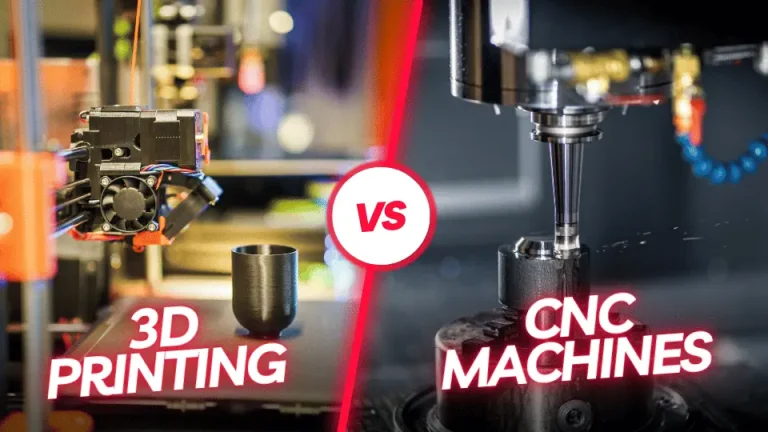
Once the designers finalize the design, they manufacture the mold using CNC machining services. CNC machining ensures high precision in the mold creation, as computer-controlled machines cut and shape the mold material.
Some key CNC machining services involved in injection mold-making include:
- Milling: This process removes layers of material to create the mold’s shape.
- Drilling: Holes are drilled into the mold for features like ejector pins and cooling channels.
- EDM (Electrical Discharge Machining): This process is used to create complex shapes that cannot be easily machined using traditional methods.
CNC machining services play a crucial role in ensuring that the mold is accurate and can consistently produce high-quality parts.
4. Heat Treatment
After the mold is machined, it may undergo heat treatment to improve its hardness and durability. This process strengthens the mold, making it more resistant to wear and capable of handling the high temperatures and pressures of injection molding.
- Heat treatment is especially important for steel molds, as it extends the mold’s lifespan, reducing the need for frequent replacements.
5. Polishing and Surface Finishing
Once the mold is heat-treated, it undergoes polishing and surface finishing to ensure that the final parts have a smooth surface. The quality of the mold’s surface directly impacts the appearance of the molded parts.
- A well-polished mold will produce parts with a high-quality finish, reducing the need for post-production finishing processes.
6. Mold Testing and Validation
Before full production begins, the team must test the mold to ensure it produces parts that meet the required specifications. During this phase, they install the mold in an injection molding machine and perform test shots.
- Engineers analyze the test parts to check for any defects, such as warping, incomplete fills, or surface imperfections.
- If necessary, adjustments are made to the mold to improve its performance. This step is crucial to ensuring that the mold will consistently produce high-quality parts during full-scale production.
The Role of CNC Machining in Injection Mold-Making
CNC machining services are integral to the injection mold-making process. Without CNC machining, it would be nearly impossible to achieve the precision required for complex molds. CNC machining allows manufacturers to produce molds with intricate designs, tight tolerances, and consistent quality. Moreover, CNC machining services enable faster production times and reduced costs, making them essential in modern mold-making.
Why Mold Design is Critical for Injection Mold-Making
The success of injection mold-making largely depends on the quality of the mold design. Poorly designed molds can lead to defects in the final product, increased production time, and higher material waste. To avoid these issues, mold designers must:
- Ensure that the mold allows for proper material flow and cooling.
- Design ejection mechanisms that do not damage the molded parts.
- Consider the type of plastic being used and how it will behave during the molding process.
An effective mold design not only reduces production costs but also ensures that the final parts meet the desired specifications.
Benefits of Injection Mold-Making
Injection mold-making offers several advantages for manufacturers:
- High precision: Molds can produce complex parts with tight tolerances.
- Consistency: Once a mold is created, it can produce thousands of identical parts.
- Material efficiency: Injection molding results in minimal waste, as excess material can often be reused.
- Cost-effective: While the initial cost of making a mold can be high, the cost per part decreases significantly during large production runs.
Conclusion
The injection mold-making process is a vital part of the manufacturing industry, allowing companies to produce high-quality, consistent parts for a wide range of applications. From mold design to CNC machining services, each step ensures that the mold will perform effectively and last for many production cycles. If you’re looking for a reliable partner in mold-making, consider Bridgesea Hardware’s CNC Machining Service. Their expertise in precision machining can help bring your mold designs to life.