Milling: Disadvantages You Should Know About
Milling is one of the most popular techniques in CNC machining services, widely used across various industries. While milling offers great precision and versatility, it does come with certain downsides that can affect its overall efficiency and cost-effectiveness. In this article, we’ll explore the disadvantages of milling to help you make informed decisions when selecting the right machining service for your projects.
High Equipment Costs
One of the primary disadvantages of milling is the high cost associated with the equipment. CNC milling machines are expensive to purchase and maintain. The initial investment, combined with ongoing maintenance costs, can be a significant financial burden for smaller companies. Additionally, these machines require skilled operators, which can further increase operational costs.
Maintenance and Operational Costs
Milling machines require regular maintenance to ensure accuracy and longevity. Components such as cutting tools, spindles, and motors must be serviced frequently, or they risk wearing out prematurely. This contributes to downtime, further affecting productivity. Moreover, skilled labor is necessary to operate and maintain these machines, which can increase labor costs.
Material Waste
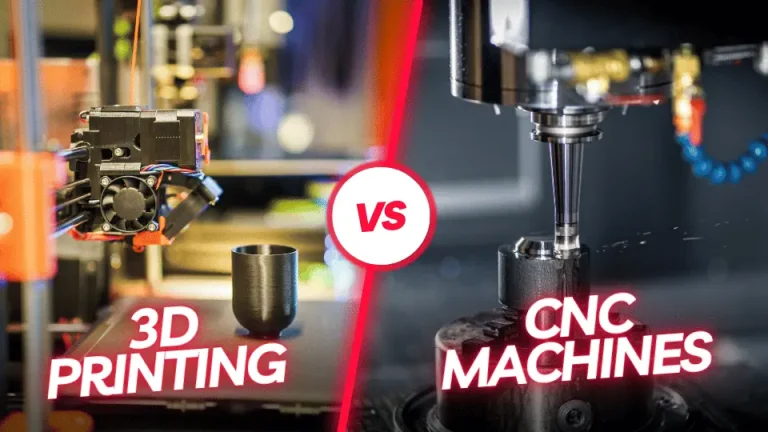
Another disadvantage is the material waste produced during the milling process. Unlike additive manufacturing, which builds objects layer by layer, milling removes material to create the desired shape. This often leads to a considerable amount of unused material, especially when working with expensive metals such as aluminum or titanium.
Environmental Impact
The material waste generated by milling can also have a negative environmental impact. Disposing of or recycling the excess material adds additional costs and environmental concerns to the process. In industries prioritizing sustainability, this waste can be a significant drawback.
Limited Geometries
Milling is excellent for producing simple and moderately complex parts, but it struggles with highly intricate geometries. While CNC milling machines can handle a wide variety of shapes, they are not as versatile as other CNC machining services like 3D printing or electrical discharge machining (EDM) when it comes to producing complex internal geometries or undercuts.
Complexity Constraints
Certain complex shapes require specialized tooling or multiple setups, which can quickly increase both time and cost. For example, internal cavities and intricate details may require multiple passes with different cutting tools, making the process less efficient compared to other machining services.
Slower Production Speeds
Compared to some other machining services, milling can be relatively slow, especially when dealing with harder materials. The cutting speeds must be carefully controlled to prevent excessive wear on the tool or damage to the material. As a result, production times can be longer, which may be a disadvantage for projects with tight deadlines.
Tool Wear and Breakage
Milling involves high-speed cutting, which can lead to significant wear and tear on the cutting tools. Over time, this results in frequent tool changes, further slowing down production. Tool breakage is another concern, particularly when working with hard materials or high feed rates, which can halt the entire operation and necessitate costly repairs.
Surface Finish Limitations
While milling can achieve a decent surface finish, it often requires additional finishing processes to meet high-quality standards. In many cases, parts must undergo further polishing or grinding to achieve the desired smoothness, adding time and cost to the project.
Additional Finishing Processes
The need for secondary finishing operations is particularly noticeable when working with harder materials, where the initial surface finish may be rough. This can be a drawback when producing components requiring a high degree of aesthetic appeal or tight tolerances.
Noise and Vibration
Milling machines are known for producing considerable amounts of noise and vibration during operation. This can be a concern in workshops where noise levels must be controlled for health and safety reasons. Additionally, excessive vibration can negatively affect the accuracy of the machining process, leading to dimensional errors.
Impact on Accuracy
Vibration during the milling process can cause slight movements in the cutting tool or the workpiece, leading to inaccuracies. Over time, this can result in parts that are out of tolerance, requiring rework or, in some cases, scrapping the part altogether.
Energy Consumption
Milling is an energy-intensive process, especially when working with harder materials or large parts. CNC milling machines consume significant amounts of electricity, contributing to higher operational costs. This can be a disadvantage for companies aiming to reduce their energy consumption and environmental footprint.
Cost Implications
In addition to the environmental impact, higher energy consumption directly influences the overall cost of production. Companies operating on a tight budget may find that the energy costs associated with milling make it less attractive than other machining services.
Conclusion
While milling is a highly effective and versatile CNC machining service, it’s essential to understand its disadvantages. High equipment costs, material waste, limited geometries, and slower production speeds are just a few of the challenges businesses face when incorporating this technique into their operations. Despite these drawbacks, milling remains an invaluable tool for creating precision parts, especially when paired with other CNC machining services.
If you’re looking for expert CNC machining services, consider Bridgesea Hardware’s CNC Machining Service. With state-of-the-art equipment and skilled technicians, Bridgesea Hardware ensures your projects are completed efficiently and to the highest standards.