

Original Equipment Manufacturer (OEM): A Comprehensive Guide
In the world of manufacturing, various terms and concepts play a crucial role in the production and distribution of goods. One such term is the Original Equipment Manufacturer, commonly known as OEM or OEM Manufacturing. This article aims to provide a comprehensive guide to understanding what an OEM is. Its significance in different industries, and how it impacts the overall supply chain. So, let’s dive deep into the world of OEMs and explore their significance.
What is an Original Equipment Manufacturer (OEM)?
An Original Equipment Manufacturer, or OEM, refers to a company that produces components or products that are used in the manufacturing process of another company’s final product. In simpler terms, an OEM is responsible for manufacturing parts or components that are then used by another company to assemble and sell their own branded products. These components can range from electronic parts, mechanical parts, software, or even entire systems.
The Role of OEM in Various Industries
OEMs play a significant role in various industries, including automotive, electronics, telecommunications, aerospace, and more. Let’s take a closer look at how OEMs contribute to these industries:
Automotive Industry
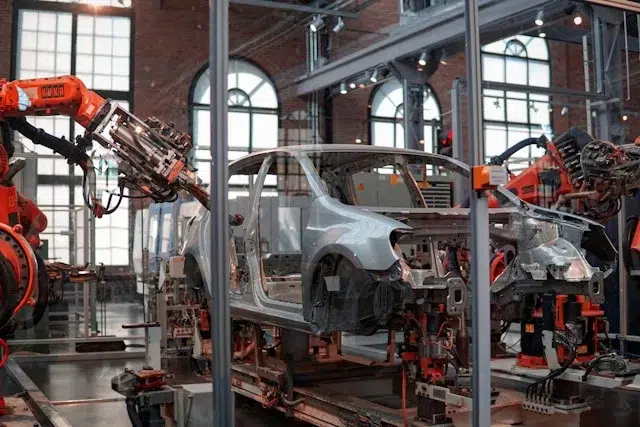
In the automotive industry, OEMs are responsible for manufacturing various parts and systems used in the production of vehicles. This includes engines, transmissions, electrical systems, braking systems, and more. These components are then supplied to automobile manufacturers who assemble them into their final products. OEMs ensure that the components meet the required standards and specifications set by the automobile manufacturers.
Electronics Industry
In the electronics industry, OEMs are involved in the manufacturing of electronic parts such as semiconductors, circuit boards, memory chips, displays, and more. These components are then used by electronic device manufacturers to produce consumer electronics such as smartphones, laptops, televisions, and other electronic devices. OEMs in the electronics industry often work closely with the device manufacturers to ensure seamless integration of their components into the final products.
Telecommunications Industry
OEMs also play a crucial role in the telecommunications industry. They manufacture parts such as routers, switches, antennas, and other networking equipment that are used by telecommunication companies to build and maintain their networks. These components are designed to meet the specific requirements of the telecommunication industry, ensuring reliable and efficient communication services.
Aerospace Industry
In the aerospace industry, OEMs are responsible for manufacturing various parts and systems used in the production of aircraft. This includes engines, avionics systems, landing gear, control systems, and more. These components are then supplied to aircraft manufacturers who assemble them into the final aircraft. OEMs in the aerospace industry adhere to strict quality and safety standards to ensure the reliability and performance of their components.
Benefits of Original Equipment Manufacturer
OEMs offer several benefits to both the companies they supply and the end consumers. Let’s explore some of these benefits:
- Quality Assurance: OEMs are specialized in manufacturing specific components or systems, which allows them to focus on maintaining high-quality standards. This ensures that the components supplied to other companies are reliable and meet the required specifications.
- Cost Efficiency: OEMs often benefit from economies of scale as they produce components in large quantities. This allows them to reduce production costs and offer competitive pricing to the companies they supply to. As a result, the end consumers can enjoy cost-effective products.
- Expertise and Innovation: OEMs are experts in their respective fields and invest heavily in research and development. This enables them to bring innovative solutions and technologies to the market, which can enhance the performance and functionality of the final products.
- Streamlined Supply Chain: By outsourcing the manufacturing of components to OEMs, companies can streamline their supply chain and focus on their core competencies. This allows for efficient production and faster time-to-market for the final products.
Frequently Asked Questions (FAQ)
Q1: What is the difference between an OEM and a VAR (Value-Added Reseller)?
While OEMs manufacture components or products, Value-Added Resellers (VARs) purchase products from OEMs and add value to them through customization, integration, or additional services before selling them to end customers. OEMs focus on manufacturing, while VARs focus on enhancing the products to meet specific customer requirements.
Q2: What is the difference between an OEM and an ODM (Original Design Manufacturer)?
The main difference between an OEM and an ODM lies in the level of involvement in the product design and development process. OEMs focus on manufacturing components to specifications, while ODMs are responsible for both the design and manufacturing of the products they supply to their clients.
Q3: Can an OEM sell directly to end consumers?
Yes, some OEMs have their own brand and sell products directly to end consumers. In such cases, they act as both the manufacturer and the retailer, bypassing the need for intermediaries.
Q4: Are OEM products of lower quality compared to branded products?
No, OEM products are not necessarily of lower quality. In fact, OEMs often adhere to strict quality standards and work closely with the companies they supply to ensure that the components meet the required specifications. However, the quality of OEM products may vary depending on the specific OEM and the agreements they have with the companies they supply to.
Q5: Can companies customize OEM products according to their requirements?
Yes, companies can often customize OEM products to meet their specific requirements. OEMs may offer options for customization or work closely with the companies to develop tailored solutions. This allows companies to have products that align with their brand and unique needs.
Q6: How can companies choose the right OEM for their manufacturing needs?
When selecting an OEM, companies should consider factors such as the OEM’s expertise, track record, quality standards, production capacity, pricing, and ability to meet specific requirements. It is also important to establish clear communication and expectations from the beginning to ensure a successful partnership.
Conclusion
In conclusion, an Original Equipment Manufacturer (OEM) plays a vital role in various industries by manufacturing components or products that are used in the production of another company’s final products. They ensure high-quality standards, cost efficiency, expertise, and streamlined supply chains. Knowing OEMs is vital for outsourcing companies and consumers interested in product manufacturing.. By partnering with the right OEM, companies can benefit from their expertise and focus on delivering exceptional products to the market.
In the realm of OEM manufacturing, precision and quality are paramount. Bridgesea Hardware stands out as a leading OEM hardware manufacturer. We specialize in stainless steel components renowned for their durability and reliability. With a commitment to delivering top-notch OEM solutions, Bridgesea Hardware ensures that each product meets the highest standards of quality hardware. Partnering with Bridgesea Hardware streamlines the supply chain, ensuring efficient production and cost-effective solutions for companies. Whether it’s automotive, electronics, telecommunications, or aerospace, Bridgesea Hardware remains dedicated to providing innovative OEM solutions tailored to meet the unique needs of its clients.
You can learn more about Bridgesea Hardware here or contact us directly via the Contact Us page.


